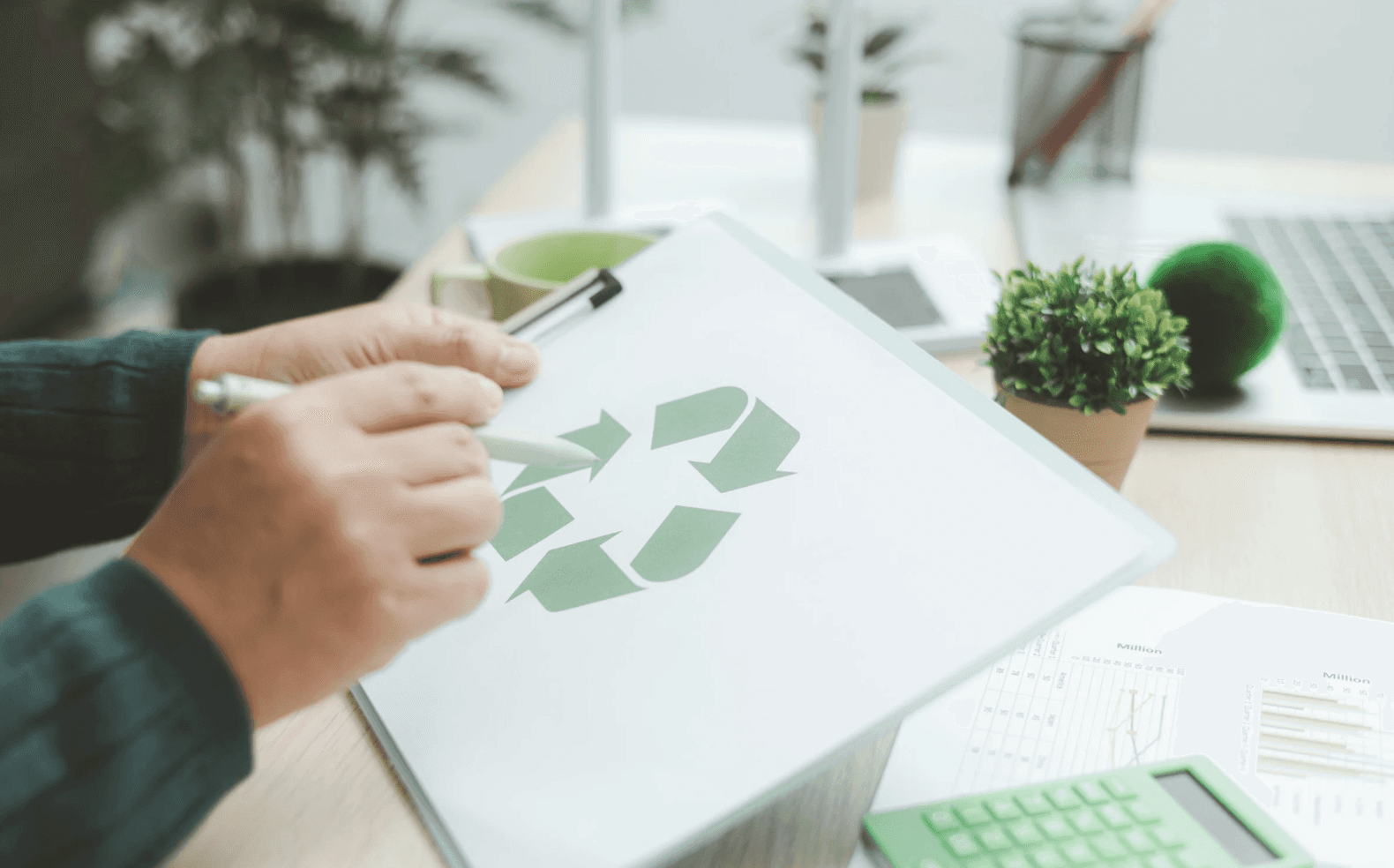
As we move towards 2026, the urgency for sustainability in business practices grows ever stronger. With alarming statistics indicating that over 90% of materials used in the economy are not recycled or reused, the transition to a circular economy is no longer just a trend, it's a necessity. For early-stage tech startups, understanding and integrating these circular economy trends will be crucial for long-term success and relevance.
The circular economy aims to minimize waste and make the most of resources. This approach not only propels environmental sustainability but also opens new avenues for innovation and economic growth. Startups that embrace these trends can position themselves as leaders in their industries and gain a competitive edge. In this blog, we will explore the top circular economy trends expected to gain traction by 2026 and how startups can leverage these developments to enhance their sustainability efforts and business strategies.
The Rise of Sustainable Materials
One of the most significant trends shaping the circular economy is the shift towards sustainable materials. As consumers demand more eco-friendly products, startups are beginning to prioritize the sourcing of renewable, biodegradable, and recycled materials. A European clean-tech startup, for example, successfully integrated biodegradable packaging into its product line, which not only reduced waste but also attracted environmentally conscious consumers.
Research shows that sustainable materials can reduce the carbon footprint of products significantly. According to a study published in the Journal of Cleaner Production, companies that adopt sustainable materials can cut down their greenhouse gas emissions by up to 30% [1].
Actionable Tips:
Evaluate Suppliers: Partner with suppliers who prioritize sustainability in their practices.
Research Materials: Invest in R&D to discover new sustainable materials relevant to your industry.
Focus on Transparency: Clearly communicate your materials’ sustainability to consumers.
Innovative Recycling Technologies
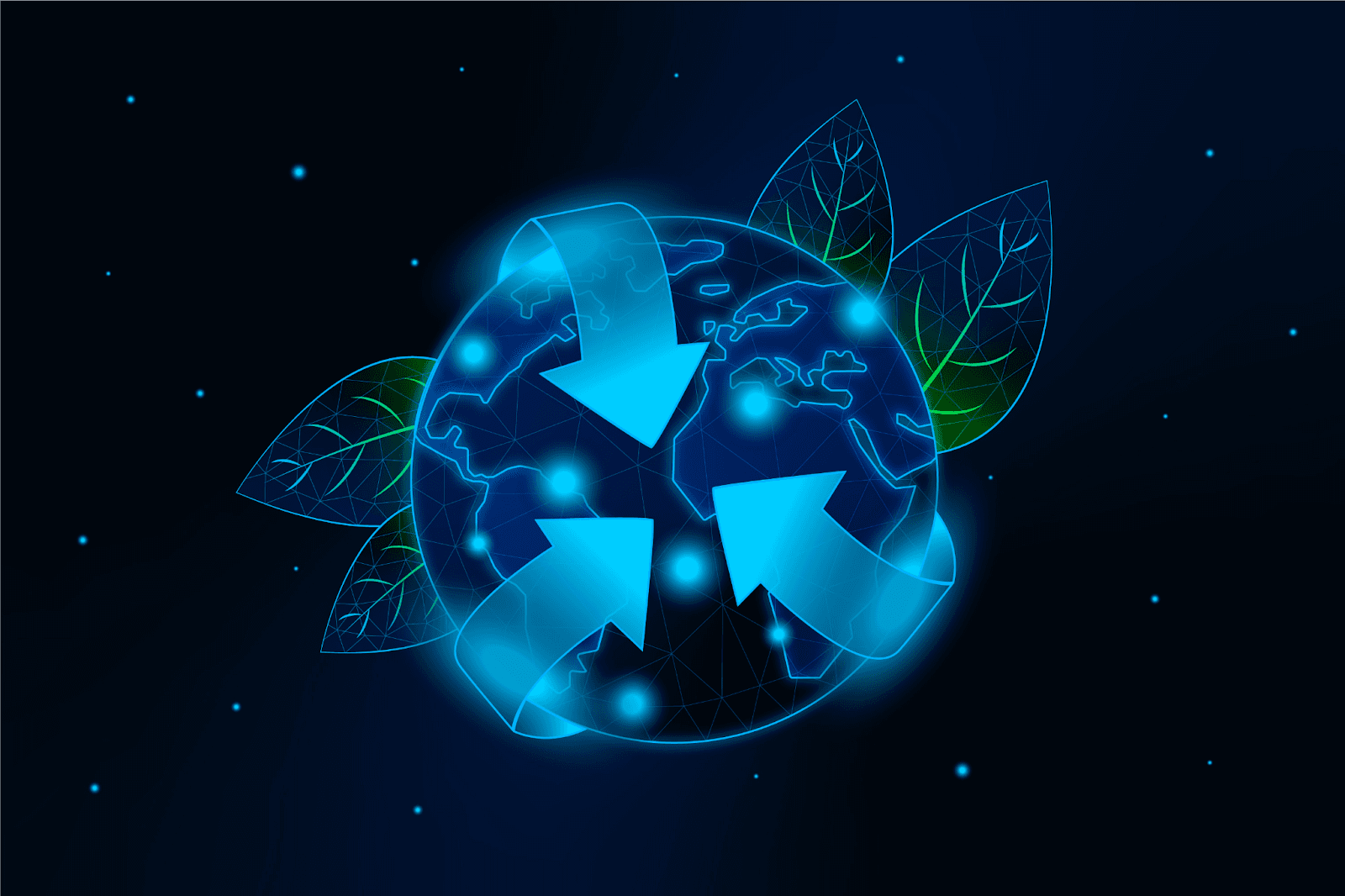
As technology continues to advance, innovative recycling methods are becoming more prevalent. Startups can capitalize on these technologies to enhance their circular economy approaches. A biotech startup, for instance, implemented a new recycling technology that allows it to recover valuable materials from waste products, turning potential waste into resource streams.
The World Economic Forum highlights that advancements in recycling technology could increase recycling rates by over 50% by 2026 [2]. This is a game-changer for startups looking to reduce their environmental impact while simultaneously lowering raw material costs.
Actionable Tips:
Invest in Technology: Stay updated on the latest recycling technologies that could benefit your operations.
Create Partnerships: Collaborate with tech firms specializing in recycling innovations.
Pilot Programs: Run pilot programs to test new recycling technologies in your production line.
Product-as-a-Service Models
Another trend gaining momentum is the shift from ownership to service-based models, often referred to as Product-as-a-Service (PaaS). By offering products as a service rather than a one-time purchase, startups can foster a more circular approach. For example, a European design startup has successfully adopted a furniture rental model, allowing customers to use items without the commitment of ownership.
According to a report by Accenture, shifting to PaaS models can reduce waste significantly and improve customer loyalty as consumers appreciate the flexibility [3]. This model not only supports sustainability but can also enhance revenue streams for startups.
Actionable Tips:
Assess Feasibility: Determine if a PaaS model suits your product offering.
Design for Longevity: Create products that can be easily repaired or upgraded.
Develop Customer Engagement: Foster relationships with customers to encourage them to return products for refurbishment or recycling.
Regulatory Trends and Compliance Needs
As governments worldwide implement stricter regulations related to sustainability, startups must stay ahead of these changes to avoid penalties and leverage incentives. The European Union has set ambitious goals for waste reduction and recycling that will impact various sectors. For instance, a startup focused on packaging solutions in the EU has adapted its business model to comply with these regulations, allowing it to benefit from government incentives.
Research from the OECD indicates that regulatory frameworks designed to promote circular practices are critical for ensuring compliance and maximizing business opportunities [4]. Startups need to be proactive in understanding these regulations to align their practices with emerging standards.
Actionable Tips:
Stay Informed: Regularly monitor regulatory developments in your industry.
Engage Legal Experts: Work with legal experts to ensure compliance with sustainability regulations.
Adapt Business Practices: Be willing to pivot your business model based on regulatory changes.

Collaboration and Ecosystem Building
Finally, the trend of collaboration is essential for driving circular economy initiatives forward. By forming partnerships across industries, startups can pool resources, share knowledge, and innovate more effectively. A clean-tech startup in North America partnered with a local government and a recycling company to launch a community-based recycling initiative, demonstrating the power of collaboration.
Research from the Harvard Business Review emphasizes that collaboration can lead to greater innovation and improved outcomes in sustainability efforts [5]. Startups can benefit significantly from building ecosystems that support shared goals related to sustainability.
Actionable Tips:
Network Strategically: Engage with other startups and organizations focused on circular economy practices.
Join Alliances: Become part of industry groups that promote sustainable practices.
Share Resources: Consider resource-sharing agreements to reduce costs and environmental impact.
A Pathway to Success in a Circular Economy
To effectively navigate the emerging challenges and opportunities posed by these circular economy trends, startups must adopt a structured approach. Here’s a roadmap to help you transition from challenges to solutions and ultimately achieve growth:
Identify Key Challenges: Recognize areas where your startup can improve sustainability and resource efficiency.
Explore Solutions: Research and implement innovative practices, technologies, and materials that align with circular economy principles.
Scale and Collaborate: Build partnerships and collaborations to enhance your impact and reach.
At RESEARCHPRENEURS, we provide end-to-end R&D and business development support tailored to your startup’s needs. From expert-led R&D to navigating regulatory challenges, our team can assist you in identifying priorities and connecting with the right expertise to move forward.
Act Now for a Sustainable Future
As we look toward 2026, the urgency of embracing circular economy practices has never been more critical for startups. The trends outlined in this blog represent a significant opportunity for early-stage tech companies to innovate, engage customers, and outpace competitors. By implementing these strategies now, you can position your startup as a leader in sustainability and set the stage for growth in an increasingly eco-conscious market.
With RESEARCHPRENEURS, startups get full support for R&D and business development, from scoping and expert matching to contracts, NDAs, IP, secure payments, and quality assurance. We help you identify key challenges, set priorities, and connect with the right expert to move forward.
References
Journal of Cleaner Production. (2020). Sustainable materials and their impact on the environment.
World Economic Forum. (2021). The future of recycling technologies.
Accenture. (2022). The Product-as-a-Service model and its impact on waste reduction.
OECD. (2023). Regulatory frameworks promoting circular economy practices.
Harvard Business Review. (2023). Collaboration in sustainability: A pathway to innovation.